
Living in Townsville or Pimlico means embracing a tropical lifestyle—along with the humidity, sudden downpours and UV-heavy days that come with it. While a simple facial might feel refreshing after a hot week, many North Queenslanders are now weighing up whether the newer HydraFacial technology offers longer-lasting clarity and hydration. As interest in advanced hydrafacial services in Townsville continues to grow, more locals are exploring how these treatments compare with traditional facials for maintaining healthy skin in tropical conditions.
This guest guide breaks down the core differences without the hype. You’ll see how each option works, who benefits most and where a HydraFacial can fit into a realistic skin-health plan for life in the tropics.
1. Why Climate and Lifestyle Change the Facial Equation
Townsville’s average relative humidity sits around 63 % in the afternoon, often spiking higher during the wet season. Extra moisture in the air can trap sweat, sunscreen and pollution on the skin’s surface. Over time, that build-up contributes to congestion and dullness even if you’re diligent with cleansing.
For locals who spend weekends on The Strand or Magnetic Island, UV exposure is another constant. Following the sun-safety guidance from Cancer Council Australia, daily SPF and post-exposure care are essential. Facials—traditional or advanced—only work well when they’re paired with consistent protection and gentle recovery steps.
2. How a Traditional Facial Tackles Build-Up
A conventional facial usually follows four broad stages:
Cleanse and skin analysis
Manual or chemical exfoliation
Extractions (if needed)
Mask, serum and moisturiser
In experienced hands, this routine can brighten skin tone and unclog pores. It’s also customisable—therapists may swap in enzymes, steam or massage according to immediate concerns. Where traditional facials sometimes fall short for humid-climate clients is consistency. Manual extractions rely heavily on the practitioner’s technique, and results can fade quickly if the skin re-clogs in a week of heat and sweat.
Readers comparing first-step options may also find value in choosing a gentle yet effective facial for sensitive skin, especially if barrier irritation is a recurring issue.
3. HydraFacial Technology—What Actually Happens?
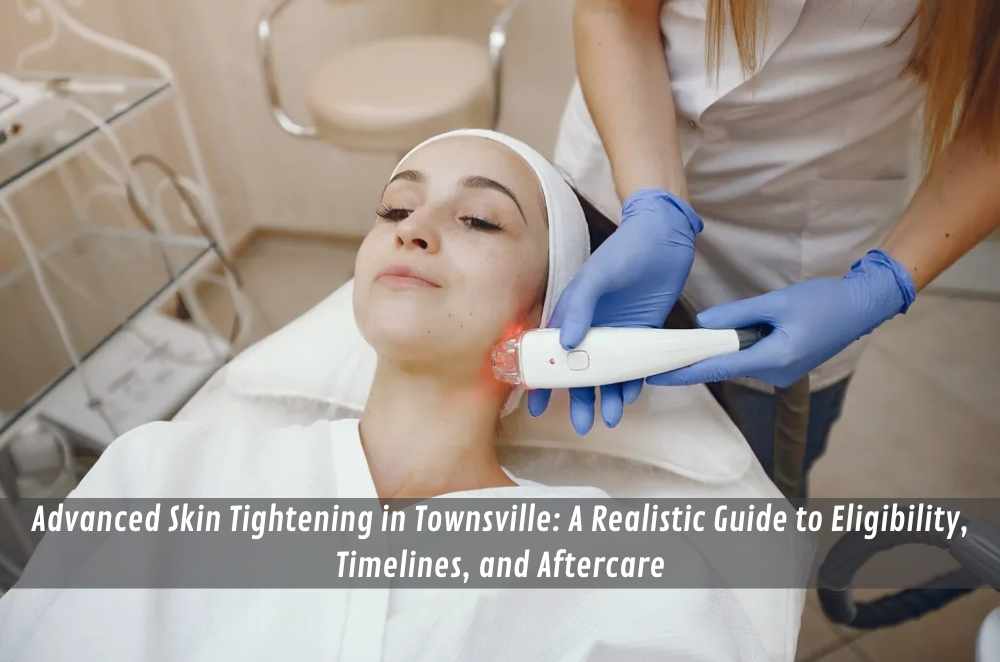
HydraFacial devices combine vacuum-assisted exfoliation with vortex-infused serums in a single, flowing treatment. Think of it as a three-in-one session:
Deep cleanse & gentle peel – A light, non-irritating acid solution loosens dead cells.
Painless suction extractions – The spiral tip lifts debris from pores without the squeezing that can redden sensitive skin.
Targeted hydration infusions – Antioxidants, peptides and hyaluronic acid are delivered while the pores are still open and receptive.
Because water and serum solutions move continuously across the skin, clients report the procedure feels more like a cool paintbrush than a scratchy abrasive. There’s minimal redness, so many people return to work or head out the same day—helpful when North Queensland social calendars rarely slow down.
4. Quick-View Comparison Table
Below is a side-by-side look at how both options typically perform in Townsville’s climate:
Factor
Standard Facial
HydraFacial
Why It Matters in the Tropics
Exfoliation method
Manual scrub, steam or mild acids
Vacuum-assisted micro-peel
Vacuum reduces friction-based irritation on already heat-flushed skin
Extraction style
Manual pressure with tools
Painless vortex suction
Lower risk of post-treatment redness before evening events
Hydration boost
Mask or moisturiser applied at end
Serums infused while pores are open
Deeper, longer-lasting moisture helps fight transepidermal water loss in humid-hot mix
Downtime
Possible redness for 12–24 h
Minimal—make-up can be applied within hours
Ideal for busy residents who can’t take a “recovery day”
Maintenance frequency
Every 4 – 6 weeks
Often stretched to 6 – 8 weeks
Fewer clinic visits mean fewer CBD parking battles
5. Who Typically Benefits Most from Each Approach?
5.1 When a Traditional Facial Shines
• First-timers wanting a lighter intro to professional skincare
• Those seeking a relaxing, spa-style experience with massage elements
• Clients with very reactive skin who need patch testing before active serums
5.2 When a HydraFacial Becomes the Smarter Move
• Busy professionals preparing for events (think Townsville Cup Day or end-of-year functions)
• Fitness enthusiasts who notice clogged pores from frequent workouts
• People juggling both oiliness and dehydration—common in humid zones with aggressive air-conditioning indoors
• Anyone keen to see noticeable glow without the guesswork of at-home devices
If you’re considering the latter path, exploring Townsville HydraFacial treatment options can clarify session timing, custom booster choices and realistic after-care steps.
6. Common Misconceptions (and Friendly Reality Checks)
Myth
The Telling Reality
“HydraFacial is only for acne.”
Congestion is one use case, but antioxidant boosters can support ageing-care goals too.
“Once I get one, I won’t need sunscreen.”
UV defence remains non-negotiable; North Queensland sun doesn’t take holidays.
“Traditional facials are outdated.”
Technique, not just tech, makes or breaks results. Skilled therapists still deliver powerful outcomes with classic tools.
“More suction equals better cleansing.”
Settings should match skin tolerance; over-aggressive passes can overstimulate oil flow.
7. Practical Questions to Ask Before You Book
Which serums or boosters will be used, and why do they suit North Queensland conditions?
How does the clinic sterilise the HydraFacial handpiece between clients?
What post-treatment home care will keep results lasting through humid nights?
Can treatment times be adjusted if your schedule includes early-morning beach runs or late-night shift work?
Is the provider able to switch to a classic facial approach if you react mid-session?
Bringing these questions sets clear expectations and helps practitioners tailor the plan rather than default to a “one-size-fits-all” script.
8. After-Care in a Humid Environment
• Keep products light but layered. A hydrating serum plus lightweight SPF is usually enough; thick occlusives can trap sweat.
• Avoid hot yoga or saunas for 24 h. Extra heat can overstimulate already treated skin.
• Book evening sessions if possible. Night-time recovery means you skip the most intense sun hours straight after a treatment.
• Hydrate internally. Humidity can mislead residents into thinking the air provides moisture; plain water still counts.
Final Thoughts
Both traditional facials and HydraFacials have a place in Townsville’s wellness scene. The right choice often comes down to lifestyle practicality and how much immediate clarity you need. By understanding the technology, climate factors and realistic upkeep, you can commit to skin care that feels as refreshing on day ten as it did on day one—no matter how steamy the forecast looks.







Write a comment ...